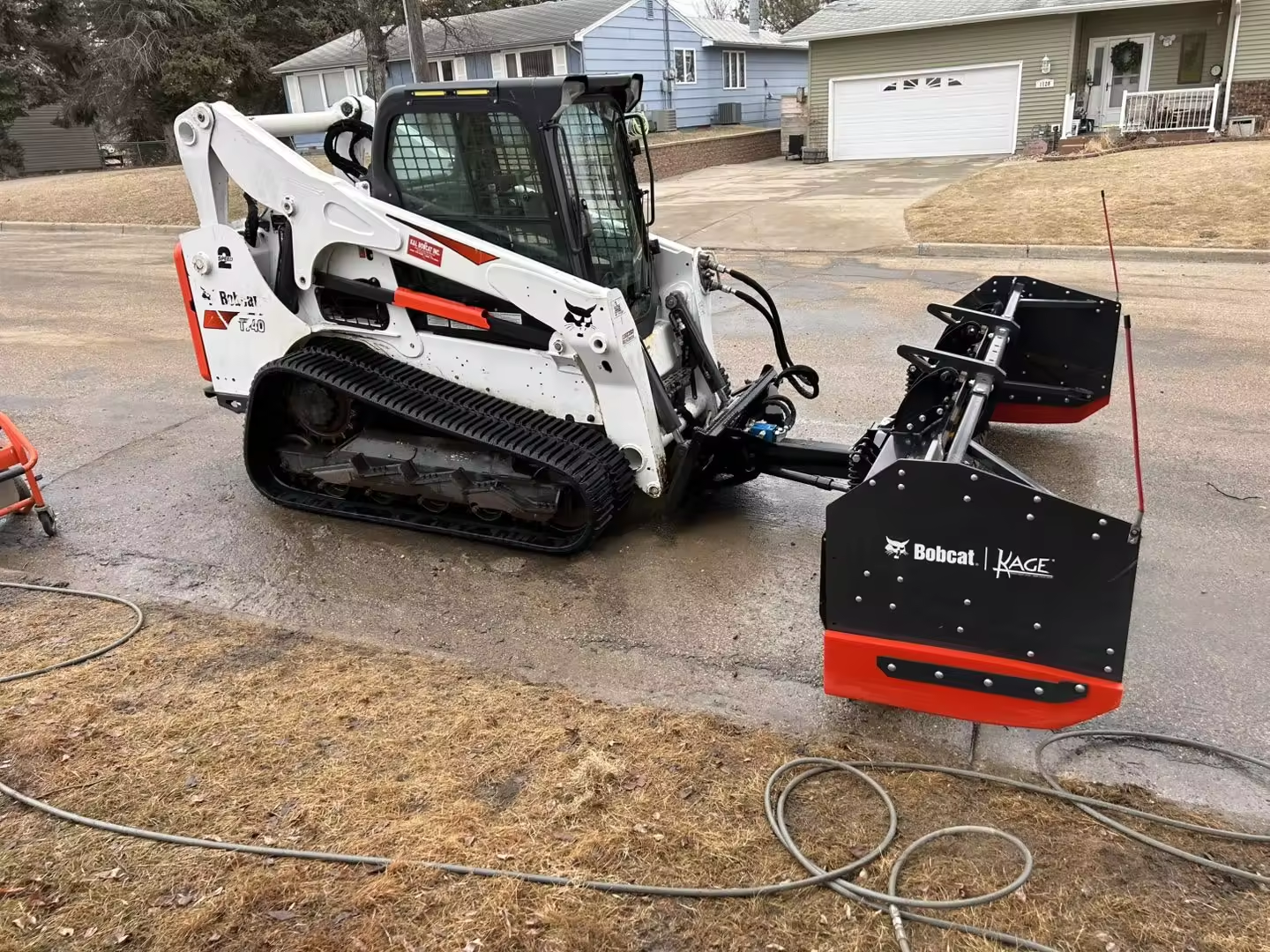
Choosing the right rubber track tread pattern can make a huge difference on your jobsite. The wrong pattern can accelerate wear on tracks, rollers, and sprockets. The right pattern ensures grip, stability, and long service life, keeping machines productive day after day. Understanding the work environment is key. Soft soil, mud, gravel, and asphalt all demand different tread designs. Aggressive lugs perform well on loose terrain but can wear faster on hard surfaces. Smooth or multi-rib patterns reduce vibration on paved areas and improve comfort and efficiency.
Machine weight and workload also influence tread selection. Heavy machines need tracks that distribute weight evenly to avoid excessive pressure on rollers and idlers. Frequent heavy lifting, digging, or grading requires durable rubber compounds with reinforced cores to handle stress. Lighter machines benefit from less aggressive patterns for smoother rides and reduced fuel consumption.
Maintenance practices complement tread choice. Daily cleaning removes debris that can wedge between treads, preventing cuts and cracks. Regular inspection detects early signs of uneven wear, flat spots, or loose links. Adjusting track tension to manufacturer recommendations ensures consistent ground contact and avoids excessive lateral wear. Combining the right tread with proper tensioning dramatically extends undercarriage life.
Environment also plays a role. Wet or clay-heavy sites benefit from self-cleaning patterns that shed mud efficiently. Rocky or abrasive sites require high-resistance compounds to prevent premature rubber degradation. High-speed operation or frequent reverse movement amplifies wear, making tread design even more critical. Selecting the right rubber track is a balance between terrain, load, speed, and maintenance routines.
Investing time in selecting the proper tread pays off in reduced downtime, fewer replacements, and better machine performance. Contractors, fleet operators, and rental companies all benefit from predictable wear patterns and consistent traction. Quality materials, precision manufacturing, and reinforced designs ensure that tracks last longer, maintain grip, and keep projects on schedule.
If you want your machines to perform reliably, minimize wear, and reduce maintenance costs, it’s time to evaluate tread patterns carefully. Reach out today to check availability, compare options, and get expert recommendations for your machines. Choosing the right rubber track tread is not just a purchase — it’s a performance decision that impacts every job.
Global Rubber Track Operation Team
2025.12.11